
How Bitcoin Went From Geeky Interfaces to User-Friendly Design
Bitcoin started with interfaces only developers could navigate. The industry has made huge progress in making self-custody simple and approachable.
May 27, 2024
Introduction
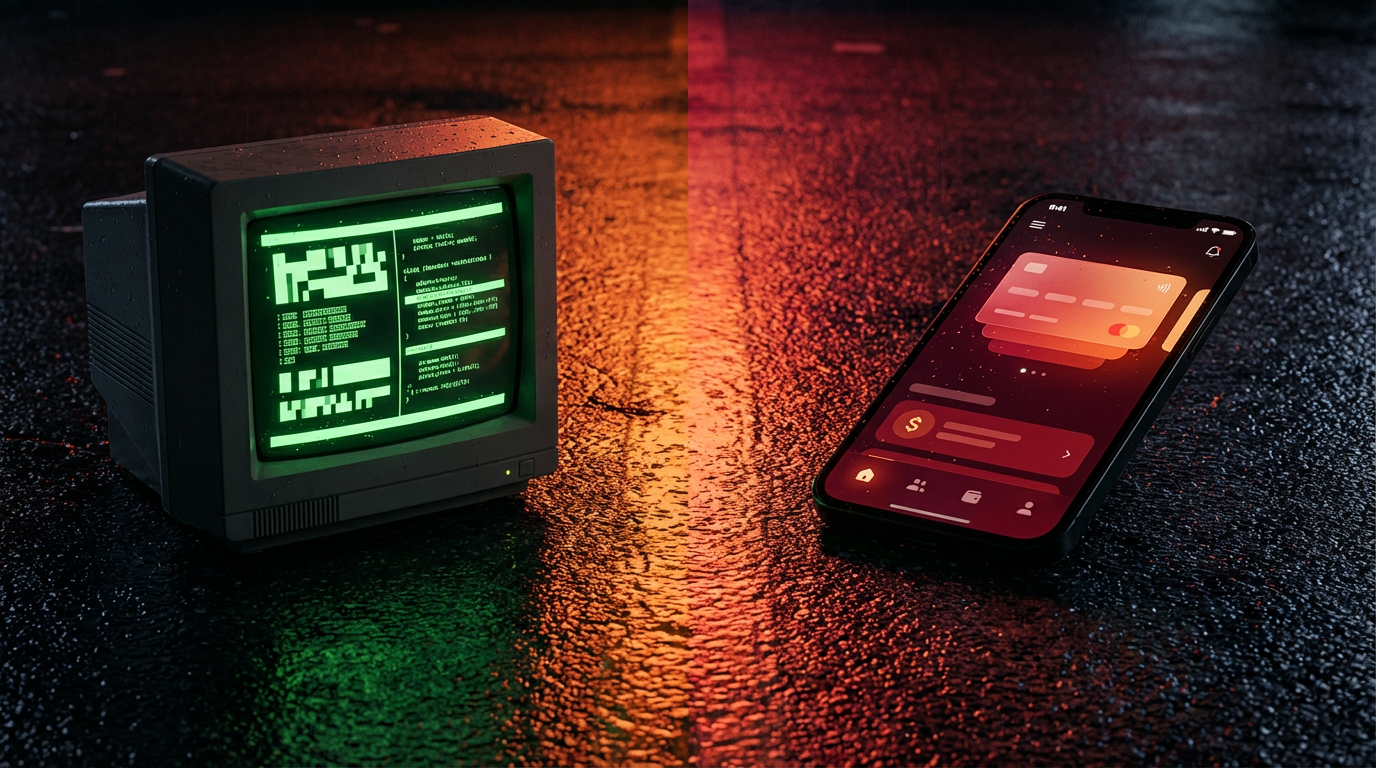
In Bitcoin's early days, using it required a level of technical fluency that excluded most people. Command-line interfaces, raw transaction data, and cryptographic jargon were the norm. The technology was groundbreaking, but the experience was hostile to anyone who was not already a developer. That has changed dramatically.
From Terminal Windows to Tap-and-Send
Bitcoin's first wallets looked like developer tools because they were developer tools. Sending a transaction meant understanding inputs, outputs, fees, and hex-encoded data. There was no onboarding, no friendly UI, and certainly no design thinking involved.
Over the past decade, the industry has invested heavily in closing this gap. Modern Bitcoin wallets look and feel like the banking apps that people already know how to use. Clean interfaces, intuitive navigation, and familiar terminology have replaced the raw technical complexity that once defined the experience.
The Power of Relatable Language
One of the most effective design choices in Bitcoin UX has been the shift toward language people already understand. Instead of forcing users to learn terms like "on-chain" and "Lightning channel," well-designed wallets use concepts like "savings" and "spending" that map directly to how people already think about money.
Bitkit takes this approach deliberately. The wallet presents Bitcoin and Lightning balances using terminology that feels immediately familiar. A new user does not need to understand the difference between on-chain and off-chain transactions to start using the app effectively. The mental model is already in place.
Complex Technology, Simple Experience
What makes this evolution remarkable is the sheer complexity running beneath the surface. A modern self-custody Bitcoin wallet on your phone is running a Lightning node, managing cryptographic key pairs, handling channel state, and coordinating on-chain and off-chain transactions. None of this needs to be visible to the user.
The best technology disappears into the background. Users should not need to understand channel management to make a payment any more than they need to understand TCP/IP to browse the web. The goal is to make self-custody feel as natural as using any other financial app, while preserving all the sovereignty benefits that make Bitcoin different.
Why This Matters for Adoption
Design is not a cosmetic layer on top of technology. It is the primary interface between Bitcoin and the billions of people who have not adopted it yet. Every confusing screen, every piece of unexplained jargon, and every unnecessary technical step is a barrier to adoption.
The industry's shift toward human-centered design is not just about making things look nice. It is about making self-custody accessible to people who will never read a whitepaper or run a full node. That is how Bitcoin scales to the next billion users without sacrificing its core principles.
Conclusion
Bitcoin's user experience has come a long way from command-line wallets and raw transaction data. The technology underneath is more complex than ever, but the experience of using it keeps getting simpler. That is exactly how it should be.
Commentary · Not financial or security advice
This article is opinion and commentary intended for general education. It reflects the views of the author and may not represent the views of Synonym or Bitkit. Nothing here is financial, investment, legal, tax, or security advice. Bitcoin and self-custody involve risk, including permanent loss of funds. Do your own research.
₿ the change
Take control of your money with Bitkit, a self-custodial Bitcoin wallet built for everyday use.
More from Bitkit Learn
Sep 29, 2024
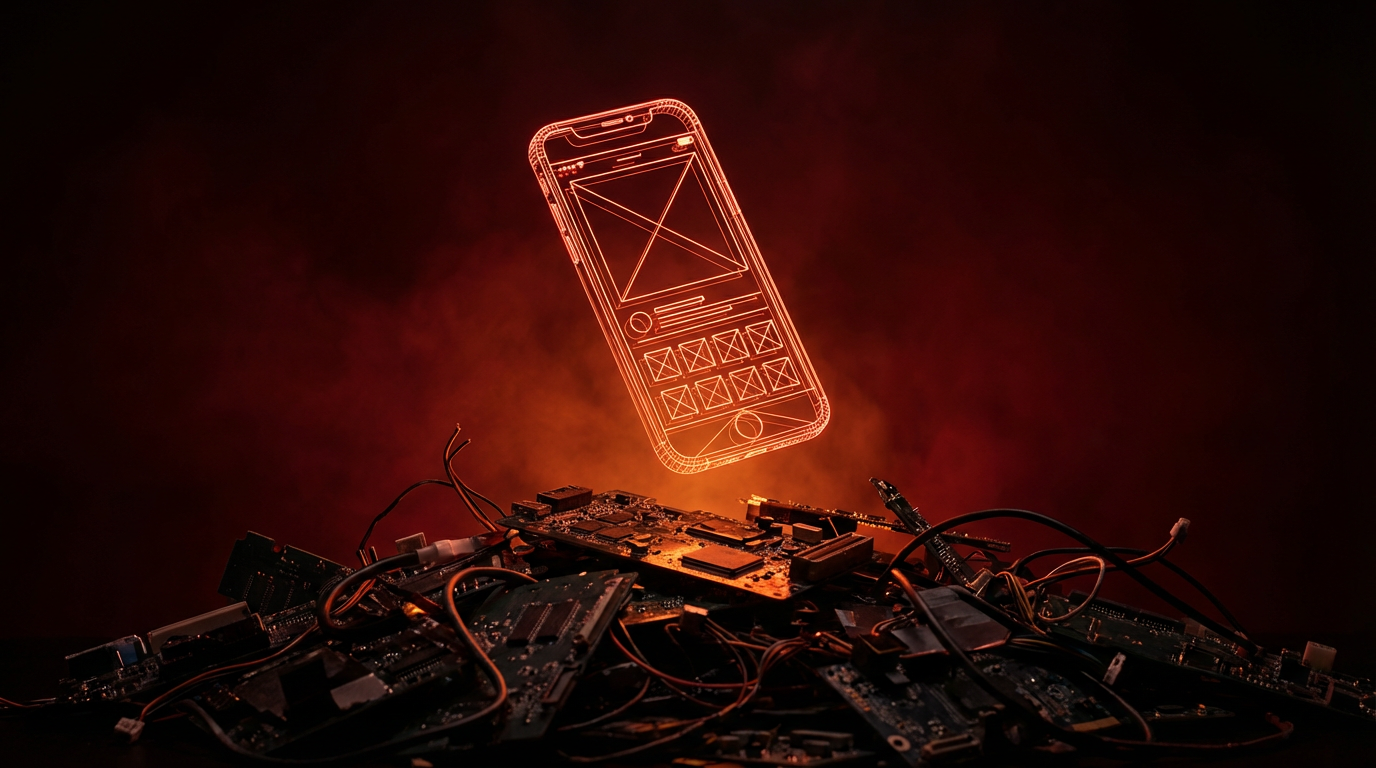
Why Bitcoin Needs Better Design More Than Better Technology
Bitcoin is still seen as complicated and technical. Shifting focus from technology to design, user experience, and branding is how the industry reaches mainstream users.
Read more
Apr 17, 2026
How Product Builders Should Think About Bitcoin Units and BIPs
A BIP is a specification, not a rule. For product builders making Bitcoin accessible, displaying the base unit with the Bitcoin symbol is a tested, working solution.
Read more
Apr 3, 2026
Should Bitcoin Drop the Sats and Standardize Its Symbol?
The Bitcoin logo is globally recognized without any marketing budget. Standardizing the Bitcoin symbol for the base unit could solve unit bias and simplify adoption.
Read moreEditorial note. Articles on this site are commentary and opinion intended for general education. They reflect the views of their authors, which may not represent the views of Synonym or Bitkit. Nothing on this site is financial, investment, legal, tax, or security advice. Bitcoin and self-custody involve risk, including permanent loss of funds. Do your own research.
In this article
₿ the change
Don't carry your pocket money in someone else's pocket. Download Bitkit wallet now.


Want to keep an eye on your bitcoin savings? Try Bitkit Watch.

Synonym Software, S.A. DE C.V. ©2026. All rights reserved.